When Manipulation Turns into Isolation
One of the most damaging parts of dealing with a manipulative person isn’t always what that person does directly to you. Sometimes, it’s what (and who) they convince people to do for them.
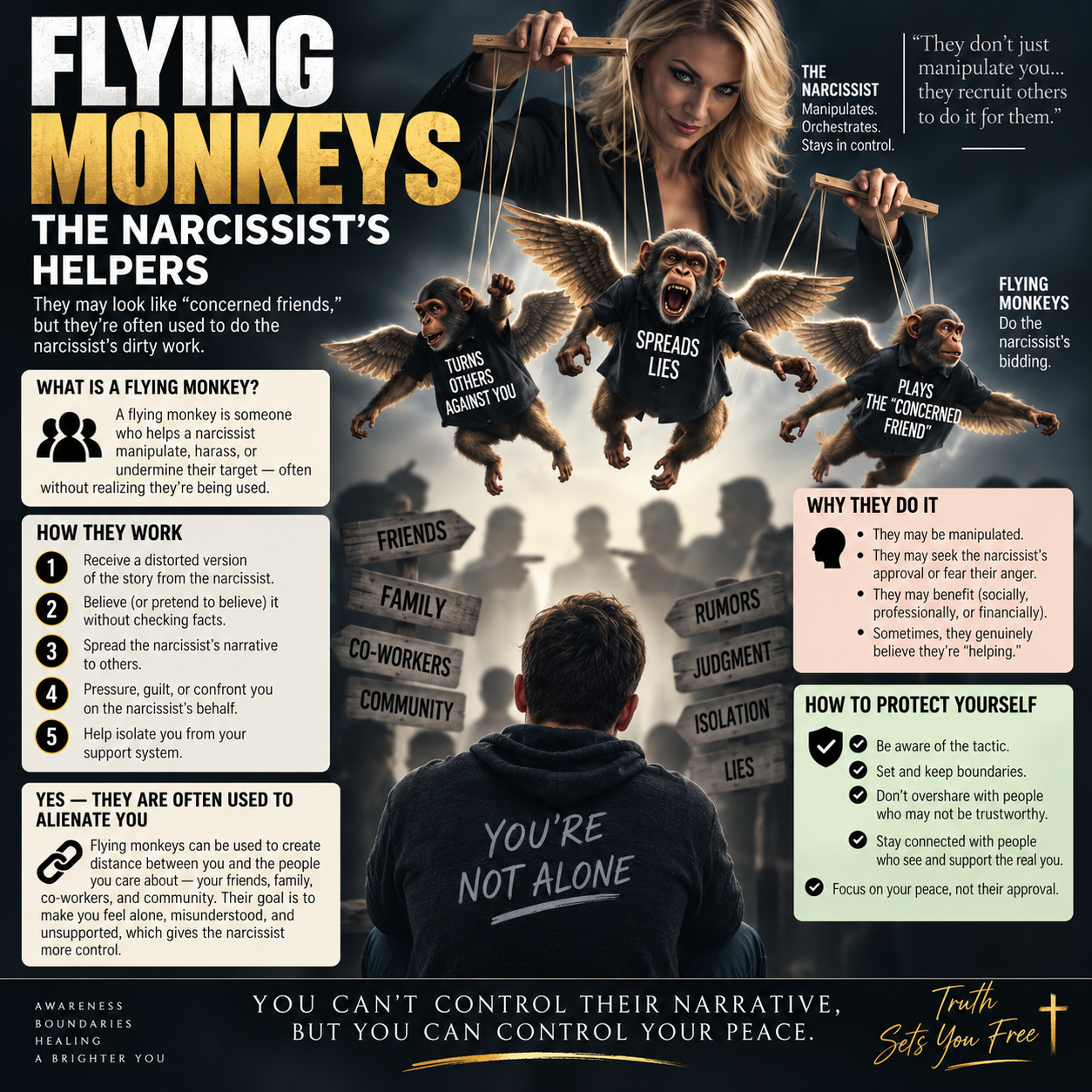
Friends. Family members. Co-workers. Mutual acquaintances. Even people you once trusted. They love to divide and will seek to get immediate folks on their side. “The enemy of my enemy is my friend” often times this will be a family member that doesn’t get along with you. They may even try and turn your entire family against you before you even know what is happening. In popular discussions of narcissistic and emotionally abusive relationships, these people are often called “flying monkeys.”
The term comes from The Wizard of Oz, where the Wicked Witch sends her flying monkeys to carry out her wishes. In relationships, the expression describes people who become extensions of someone else’s conflict—spreading their version of events, gathering information, applying pressure, taking sides, or helping isolate the person being targeted any way possible. Sadly, sometimes the flying monkey doesn’t even realize they’re being used.
The Damage Goes Far Beyond Gossip
Imagine having a conflict with one person and suddenly realizing you’re defending yourself to literally everyone that both of you know and even to your own family members. Or worse yet, they won’t even speak to you because that person got to them first. People you’ve known for years begin acting differently toward you. Friends stop calling. Family members question your character. Private conversations somehow make their way back to the person you’re having problems with. You hear rumors about yourself that bear little resemblance to what actually happened. I used to love finding out what I did next because it was like a movie not knowing what lie would come next. Eventually, you may start wondering:
“How did so many people suddenly believe this about me?”
That is what can make this dynamic so psychologically exhausting. You’re no longer dealing with one relationship. You’re dealing with an entire narrative. And it is designed to get you focused on that and “redeeming yourself” rather than focusing on what is really important. This is normally the case during the “Silver Bullet” divorce so that you cannot prepare for that defense properly and get you removed from the home etc. This is all about gaining control and getting the edge or a lead start in the game.
Isolation is their Most Powerful Weapon
Our relationships are enormously important to our psychological well-being. Social support can help people cope with stress, while loneliness and isolation are associated with poorer mental and physical health outcomes.
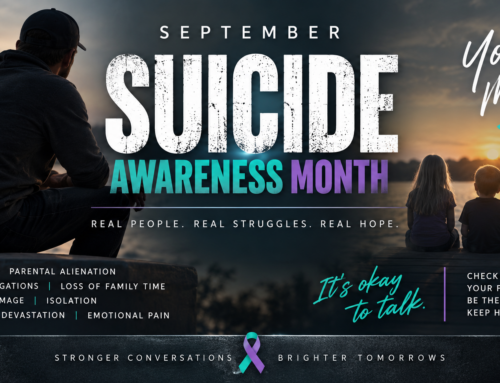
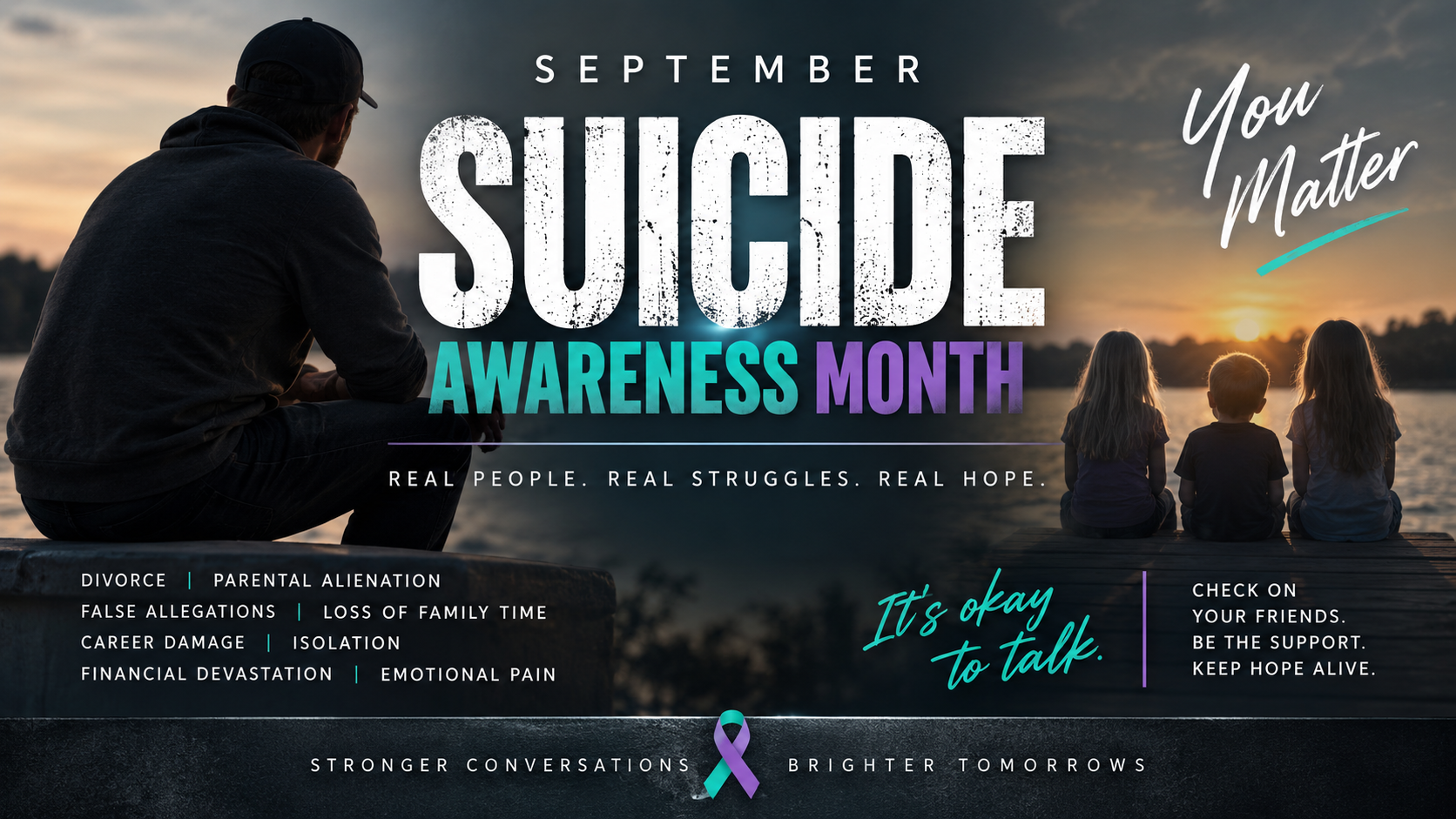
That’s why turning someone’s support system against them can be so damaging and is and of itself a mental disorder. This is the tool of sociopaths as well. This is why men are 10-20x more likely to commit suicide than women in a divorce. They lose everything. They lose people they called every Sunday to talk about life and football games of the day. Friends that used to fly in and visit you. business associates that in the future will cost you money and business. It is all part of the sick plan. When people you trusted begin withdrawing or questioning you, you can lose more than friendships. You may begin losing your sense of belonging and emotional safety.
The National Domestic Violence Hotline specifically discusses rebuilding social support after isolation in unhealthy or abusive relationships, noting how important friends, family, neighbors and community can be during recovery. Isolation can leave someone feeling as though there is nobody left who will believe them. And when you’re alone, you’re much easier to control.
Over time, persistent interpersonal stress can affect concentration, sleep, mood and physical health. The American Psychological Association notes that prolonged stress is associated with problems including anxiety, depression, headaches, digestive problems, sleep difficulties and impaired concentration.
Why Would Other People Participate?
This is something victims often struggle to understand. “These people know me. Why would they believe this?”
Because not every flying monkey is intentionally malicious.
Some genuinely believe they’re helping.
Some have heard only one side.
Some want the manipulator’s approval.
Some don’t want to become the next target.
Others simply enjoy gossip, conflict or the feeling of being on the “inside.”
That’s an important distinction: being manipulated doesn’t automatically make someone evil.
But whether intentional or not, their participation can still cause tremendous damage.
Why is there No Accountability Ever?
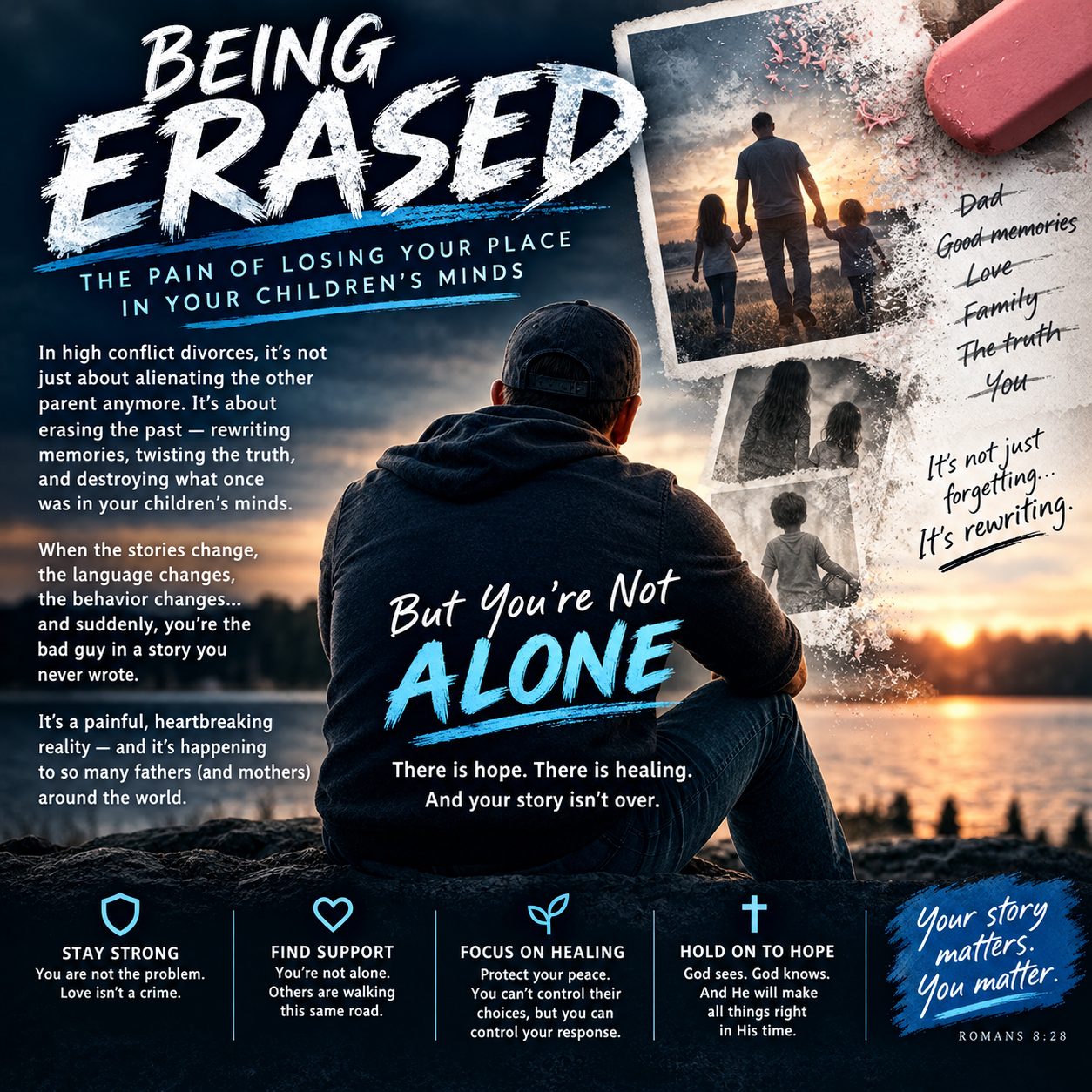
This is hard to detail in some cases but in most cases it’s simple. Sometimes it is that people actually see the controlling manipulation for what it is and simply do not want that rage on them. This is common in parental alienation cases. The kids may very well still want to see dad but they fear the manipulation or lack of peace at home if they do not agree with the abuser. They are scared and rightfully so. But doing nothing will not stop it and may even cause more abuse to them. Take the case of a neighbor doing a favor where an angry mother ran red lights and broke every speed limit to get behind the person’s car who was helping their son go to dad’s after school. They tailgated, and scared the 22 year old driver half to death, and then proceeded to sit there for 30 minutes recording their moves, their homes, taking pics of their cars and homes and even getting out of the vehicle to menace. Later when the sheriff showed up for yet another false allegation, that neighbor didn’t want to tell the authorities what happened for fear of retribution. What was her reward? Her reward was to have a “flying monkey” text her 3 days later “what a POS she is” for helping the dad and that if she “didn’t stay away from the kids, she would regret it”. This was done because the woman knew she couldn’t be on record saying what the Flying monkey could freely say without consequences. Just like with bullies, the only way to make it stop is stand up to it.
You Don’t Have to Win the Public-Relations War
When people are saying things about you that aren’t true, the natural instinct is to defend yourself to everybody. You want to explain. Correct every rumor or exaggeration. Show every screenshot proving your innocence. Convince every person. But that can become another prison. You can spend enormous amounts of emotional energy trying to control what other people think about you and again it is in place to distract you from what should be your mission. Sometimes the healthier response is to establish boundaries, protect private information, document important interactions when appropriate, and invest your energy in trustworthy relationships. You don’t necessarily need everyone back. You need healthy people around you who are willing to listen, think independently, and judge you based on their own experiences with you.
The Truth Should Not Need a Flying Monkey
There may be times when you cannot stop someone from telling their version of your story. You cannot control every rumor. You cannot force someone to understand you. And you cannot make every person who walked away come back. But you can decide what happens next.
Protect your boundaries.
Protect your integrity.
Stay connected to people who genuinely know you.
Don’t allow someone else’s narrative to become your identity.
And most importantly, don’t let the people trying to isolate you convince you that you are actually alone.
You can’t control their narrative.
But you can control your peace.