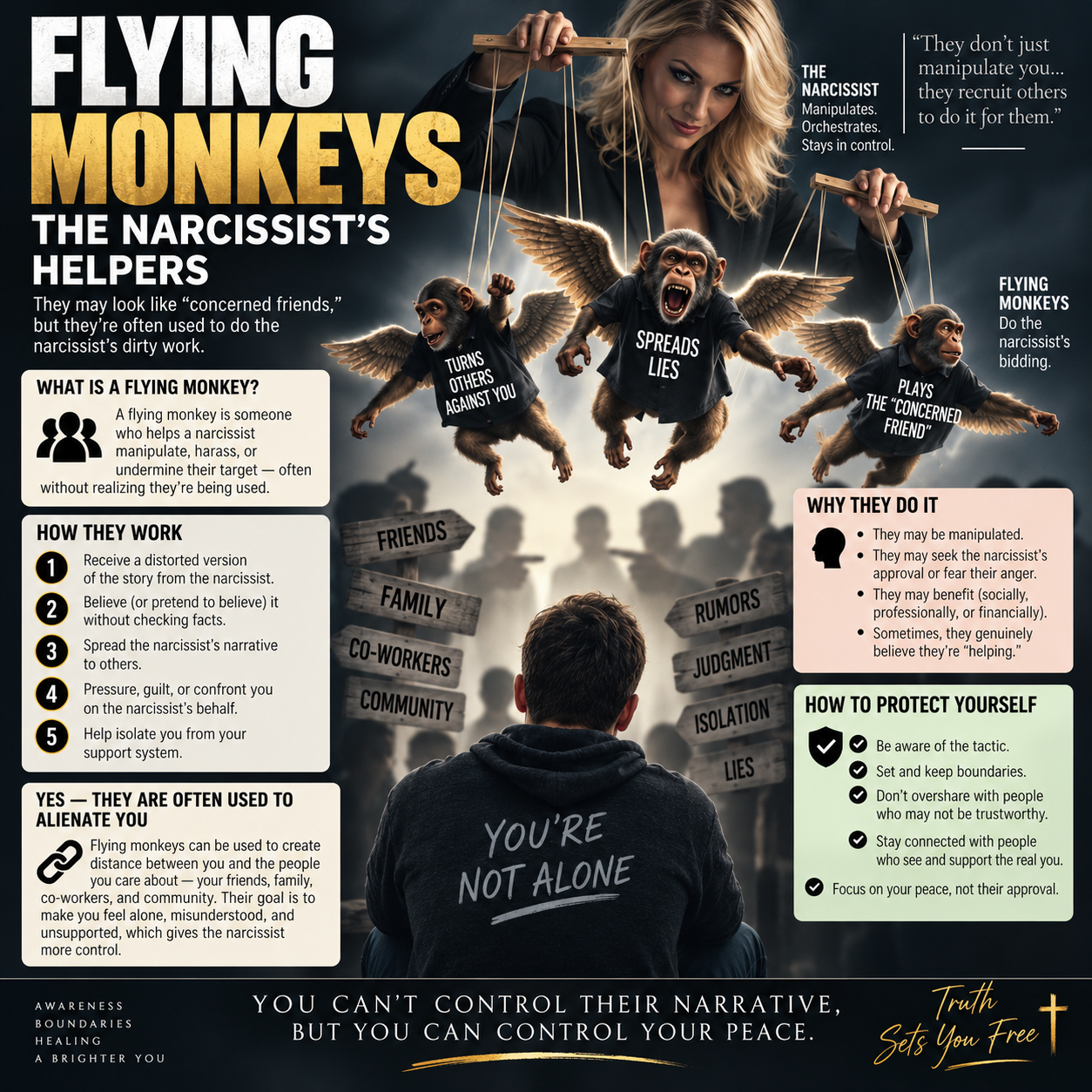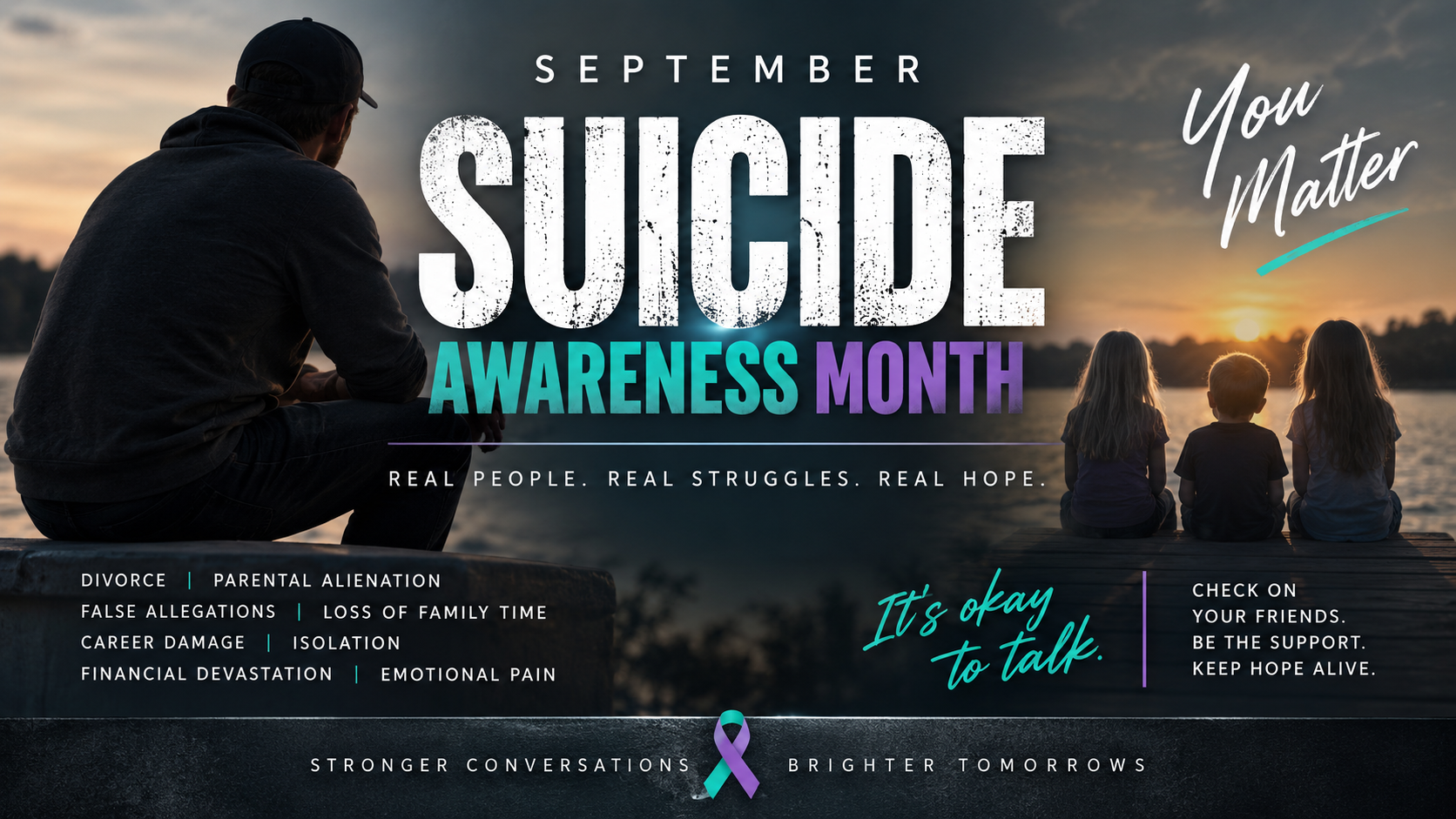

“I will not stop until he is bankrupt and homeless….”
Sadly this quote is something I have heard repeated by more than one father when they tell me what was said about them. When a father stops fighting for his children, people often make a quick and painful assumption:
“He must not care anymore.”
But what if that’s not what happened? What if he didn’t stop loving his children? Why did he have to fight to see them in the first place? What if he simply ran out of money, resources, emotional strength, or hope? In a prior blog, we discuss how the Silver Bullet divorce sets sets the stage to make men alone and broken. This is often the first step most men must overcome.
Divorce is frequently discussed in terms of dividing property, determining custody, calculating support, and deciding parenting schedules. What receives far less attention is what happens to people—particularly fathers—after years of conflict, financial pressure, separation from their children, and repeated trips through the family-court system. The research paints a troubling picture.
The Mental Health Cost
One of the most alarming findings concerns suicide. A 2025 systematic review and meta-analysis examining 75 studies from 30 countries and more than 100 million men found that divorced men had approximately 10 times the odds of dying by suicide compared with married men.
Perhaps most concerning, separated men appeared particularly vulnerable, suggesting that the period surrounding the actual breakdown of a relationship can be one of extraordinary psychological risk. Almost every study concluded than men under this kind of attack actually suffer from PTSD in the future!
These statistics do not mean divorce alone causes suicide. Suicide is complex and almost never attributable to one event. But they do tell us something important:
For some men, the aftermath of marital breakdown can become a genuine mental-health crisis that seems to never end and that no medication can help.
The Financial Cost
Then comes money. Divorce can require maintaining two households with income that previously supported one. often times the men are required to keep paying the mortgage for mom why trying to figure out how to pay for where he is now forced to live because he got ejected from his house simply because someone didn’t want to be married anymore. Then, add attorney fees, mediation, court filings, custody evaluations, child support, property division, lost work time and repeated legal proceedings, and the financial pressure can become enormous and too much for anyone to handle.
Research has associated divorce with increased financial distress, debt default and bankruptcy risk. in fact, men who have divorce filed against them (which happens to be around 80% of all divorces), are 40 times more likely to be forced into bankruptcy or even homelessness. The conclusion is simpler:
Divorce can significantly increase financial vulnerability, and prolonged litigation can make that burden substantially worse. For a father involved in a long-running custody dispute, eventually there may be a brutal calculation……. Do I spend another $10,000, $20,000 or more trying to enforce parenting time—or use that money to pay rent, buy groceries and just survive? Running out of money, support and resources is not the same thing as running out of love.

Divorce, Housing and Homelessness
Relationship breakdown is the number one reason men experiencing homelessness. This can be compounded when their name is slandered and they lose business opportunities or clients over the lies online. It is estimated that over 30% of men go homeless for a period of time after divorce. The financial consequences of divorce can contribute to housing instability and sadly often times homelessness or worse.
The Physical Cost
The consequences aren’t limited to finances or mental health. A major meta-analysis involving 104 studies across 24 countries found that divorced or separated men had elevated mortality risk compared with married men. For divorced and separated men, the increased mortality risk was approximately 37 percent higher. Research has also associated divorce among men with increased depression, substance abuse, reduced social support and other health problems.
So Why Do Some Fathers Stop Fighting?
This may be the most misunderstood part of the conversation. Sometimes fathers have to disengage due to false accusations (silver Bullet). Sometimes work has to take the drivers seat because they are forced to work 2-3 jobs or take on a new job with zero flexibility in schedule.
Research examining fathers following divorce has identified numerous barriers to continued involvement, including conflict with the other parent, financial constraints, dissatisfaction with the legal process, geographic distance and deteriorating parent-child relationships due to forced time away from them and parental alienation.
One study of divorced fathers found that 90% of fathers whose custody disputes were litigated actually reported wanting more involvement with their children while ultimately spending less time with them than fathers who resolved custody outside court. In fact most of then get to spend less time with their own kids then the “new man” or step father does. Think about the significance of that. Sometimes the father fighting hardest can eventually end up seeing his children less while ending up burnt, depresses, bankrupt and even homeless.
The Impossible Choice
A father caught in prolonged conflict can eventually face an impossible question:
Do I continue fighting because I love my children, even if the fighting is financially and emotionally destroying me? OR Do I stop fighting because I love them and don’t want their childhood consumed by conflict?
From the outside, stopping can look like abandonment. From inside the situation, it may feel like survival. Imagine repeatedly paying attorneys tens and even hundreds of thousands of dollars….. Repeatedly returning to court. Repeatedly documenting missed parenting time while the authorities are zero help. Repeatedly trying to repair relationships with children caught between two parents. Repeatedly believing that the next hearing, motion or agreement will finally resolve things only to get served again and again. How long can a human being sustain that?
Is Family Court Stacked Against Fathers?
Historically, mothers were substantially more likely to become children’s primary residential parents following divorce (up to 90% of all cases). That left many fathers navigating life as nonresidential parents. Modern family law has changed considerably, however, and laws vary substantially between states. many states like FL are now adopting the 50/50 declaration. There are also judges, attorneys and professionals genuinely attempting to determine what is best for children in extremely complicated situations. But how does one make that life altering decision based on knowing the parties for a few hours or less??
Fathers can encounter substantial legal, financial and interpersonal barriers to maintaining relationships with their children following divorce. Those barriers deserve serious discussion.
Stopping the Fight Doesn’t Necessarily Mean Stopping the Love. This may be the most important point. When we see a father who isn’t seeing his children, society shouldn’t automatically assume “He walked away.”
Ask another question:
“What happened before he stopped fighting?”
Was there prolonged litigation? Financial devastation? Repeated parenting-time disputes? Thousands of dollars in attorney fees? Conflict between the parents? A deteriorating relationship between father and children due to alienation of prolong time away from them? Isolation? Hopelessness?
There are fathers who abandon their responsibilities. They should be held accountable. There are also fathers desperately trying to remain involved in their children’s lives and the mothers who prevent it should also be punished legally and it will begin to change. And somewhere in between are fathers who fought until they simply couldn’t fight anymore.
Their are tons of statistics about what happens to kids without fathers and some of them are awful. Here are just a few:
83% of youth suicides
90% of all homeless and runaway children
85% of all children who show behavioral disorders
71% of all high school dropouts
75% of adolescent patients in chemical abuse centers
85% of youths in prison
81% of pregnant teenagers
The question isn’t should the father not needed in the kids life, the question is what are the consequences if they aren’t able to!
A father can lose the ability to continue the battle without ever losing his love for his children.
‘Having Fathers are the most important aspect of being a kid and will ultimately determine in most cases how successful the child will be. “
Dr. Meg Meeker
Research referenced
Key research includes the 2025 systematic review and meta-analysis of suicidality among men following relationship breakdown; the U.S. National Longitudinal Mortality Study examining marital status and suicide; large-scale research examining marital status and mortality; studies examining father involvement following divorce and custody litigation; and CDC research concerning suicide risk factors.
Sources:
• Suicidality in men following relationship breakdown: A systematic review and meta-analysis — PubMed, 2025
• Kposowa, A.J., Marital Status and Suicide in the National Longitudinal Mortality Study
• Shor et al., Widowhood and Mortality: A Meta-Analysis and Meta-Regression / large-scale marital-status mortality research
• Research concerning divorced fathers, custody litigation and paternal involvement
• U.S. Centers for Disease Control and Prevention — Suicide Risk and Protective Factors